More Than a Program: A Place to Belong and Grow
By Tsion Mamo, Data and Program Coordinator
One of Aspire’s core values is connection, and time and time again, this value is reflected in our work. Through many of our initiatives, we bring families together, whether through cooking nights or the recent opening of our community food pantry. While building community for parents is important, we place equal emphasis on creating meaningful connections among our students.
During the summer, students from various schools come together at the Arlington Mill site for our summer programming, and this is where I truly see the magic happen. Many of our students have busy, working parents who may not always have the opportunity to enroll them in additional enrichment programs where community is built on a smaller scale. Through this program, however, we are able to provide that space for connection.
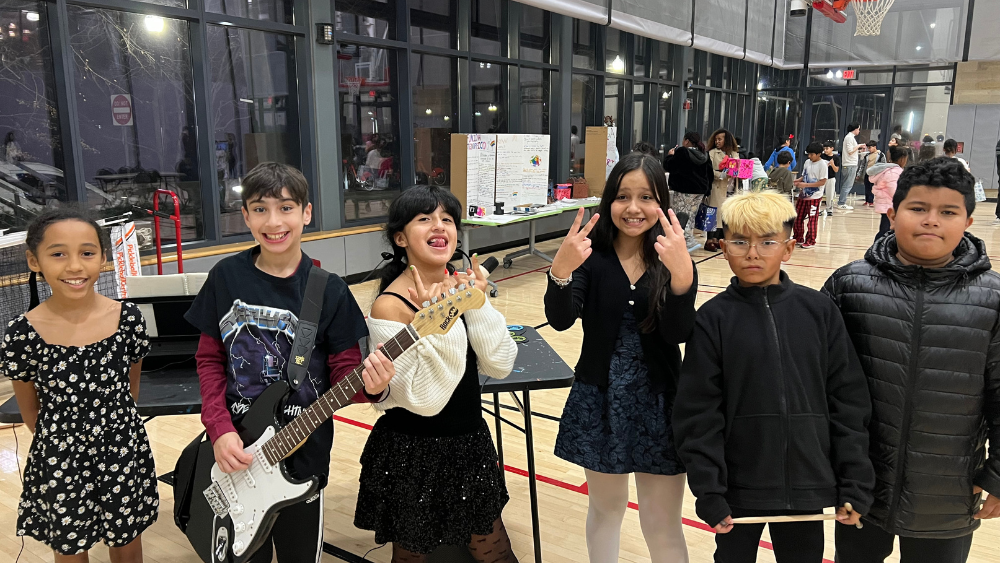
One way we do this is through clubs, also known as guilds, which allow students to choose enrichment activities based on their interests. We offer a wide variety of clubs, including Flag Football, Rock Band, Gardening, and collage making, to name just a few. These clubs give students the chance to build friendships around shared interests while also allowing teachers to connect with students in meaningful ways.
Through my craft club, I was able to connect with a student who had not yet warmed up to me in the classroom. He did not enjoy drawing the pictures, so I would draw them for him, but he loved painting them. My favorite part of the day was watching him proudly show his painting to his parents at pickup.
At this age, students are often given limited agency to independently form friendships, especially beyond their immediate school or neighborhood. By bringing together students from across the county, we allow them to connect with peers they might not otherwise meet. These connections can grow into lasting friendships and expand their social networks early on.
Aspire helps students stay connected as they transition to different schools. The move from elementary to middle school can be challenging, as the environment shifts, the pace increases, and students often leave behind the close-knit community they have grown used to. When friends disperse to different middle schools, staying connected can become difficult. Aspire offers a steady afterschool community where those friendships can continue to grow, providing consistency during a time of change and allowing students to maintain meaningful connections regardless of where they attend school.
Arlington has many elementary schools, but as students progress through the education system, those schools converge into fewer middle and high schools. Forming relationships at a younger, more playful stage helps students broaden their sense of community and contribute to a more welcoming environment as they move forward in their education.
I witnessed this impact firsthand when I overheard two students, who do not attend the same school, making plans for a playdate at the end of the summer. I love this concept because students do not always find their people within the boundaries of their neighborhood school. Creating opportunities to connect through play and shared experiences can lead to lifelong friendships that might never form otherwise.
However, creating opportunities for friendship is only part of the equation. Teaching students how to navigate those friendships and how to be thoughtful, empathetic members of a community is just as important. One of the primary ways Aspire actively strengthens these connections is through intentional social-emotional learning.
At Aspire, we take a holistic approach to teaching. While we focus on developing literacy and mathematical skills, we also emphasize the importance of social-emotional regulation. Through breathing exercises and classroom practices such as journaling, we teach students how to regulate their emotions early on. By equipping students with these tools, we are not just creating a kind and safe space. We are also giving students the skills they need to build and sustain healthy friendships.
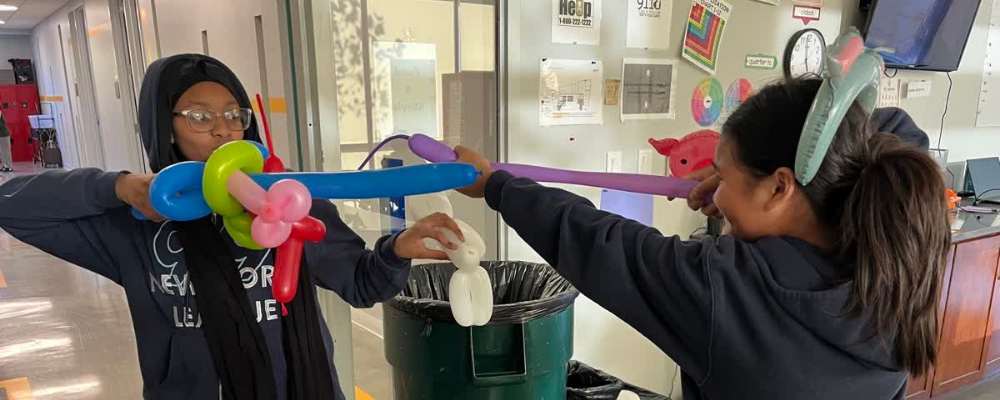
We further foster this environment through Kindness Partners, where students practice showing kindness to their assigned partner throughout the week. This structure encourages students to step outside their usual social circles and intentionally invest in their relationships. By encouraging this behavior, we create a more peaceful classroom and help students understand the real impact of their words and actions.
Having Kindness Partners in my classroom has encouraged new connections to form. I have seen students interact with peers they normally would not, and I have even watched it help mend friendships between students who had stopped speaking to one another. Overall, it helps students learn how to interact respectfully with others they may not naturally gravitate toward. This is an important life skill that extends far beyond the classroom.