Investigating Real World Questions
What is Project-Based Learning?
Project-Based Learning, or PBL, is a method of teaching in which students collaborate to investigate a relevant real-world question or problem. From creating broadcasts to designing community gardens, PBL holds endless opportunities for learning, and it’s designed to help students make connections across learning areas and put their academic learning into action.
Importance and Impact
PBL requires a lot more than just remembering information. Kids are able to take ownership of their own learning by pursuing these unique projects. As a result, they are able to practice teamwork, use creativity, and discover how to make connections across numerous subject areas. This type of learning has proven to foster better communication and more out-of-the-box thinking! By engaging with differing perspectives and environments, students enhance their academic foundation.
Parents have consistently identified communication, critical thinking, collaboration, and creativity as some of the most prioritized career and college-ready skills. PBL targets all of these areas, helping students grow into successful futures. By making PBL integral to the academic journey, kids thrive in all sorts of environments, and better yet, they discover their own, unique styles of learning.
PBL at Aspire
Every year, Aspire designs PBL learning activities for students to work on a wide variety of projects to investigate a question or solve a problem. In the past, students have created videos about gentrification in their neighborhood, designed their own cities to practice geometry skills, and came up with a business plan for an Aspire taco truck. This past fall, Aspire students participated in projects designed to connect learning across different subject areas and get them thinking about the real-world applications of things like math, public speaking, and writing. They got to select which project they wanted to work on, empowering them to explore their own interests and feel a greater level of investment in their projects. Read on to learn more about some these projects!
Film Buffs
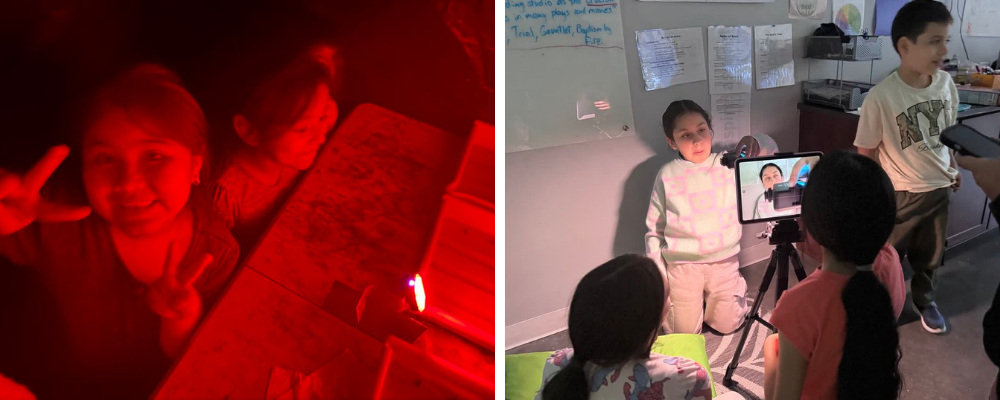
For all of our students fascinated by TV, movies, and the big screen, they got the chance to learn how light refracts, how film develops, and even how to build their own pinhole camera. Led by a member of our staff with a degree in Film Studies, kids had a blast testing the different properties of light and taking photos of each other to see how they developed. They even constructed a dark room so that they could develop film and see what the process looked like – some were shocked to learn what it looked like before digital cameras took over!
Mini Golf Enthusiasts
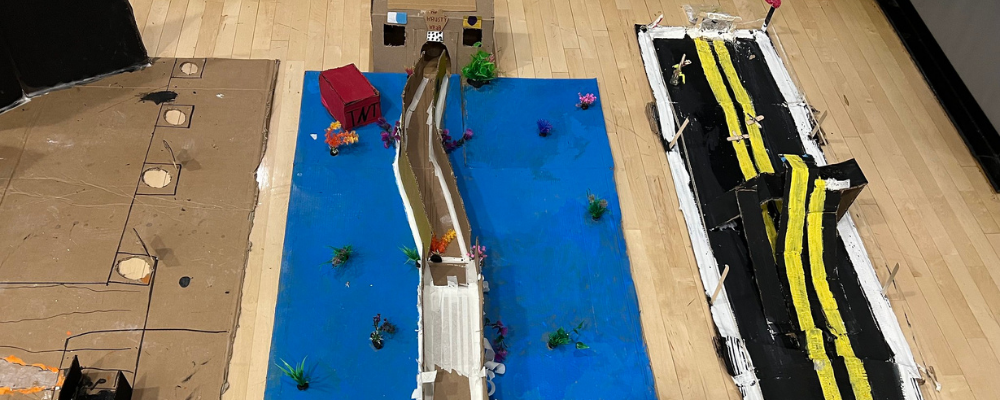
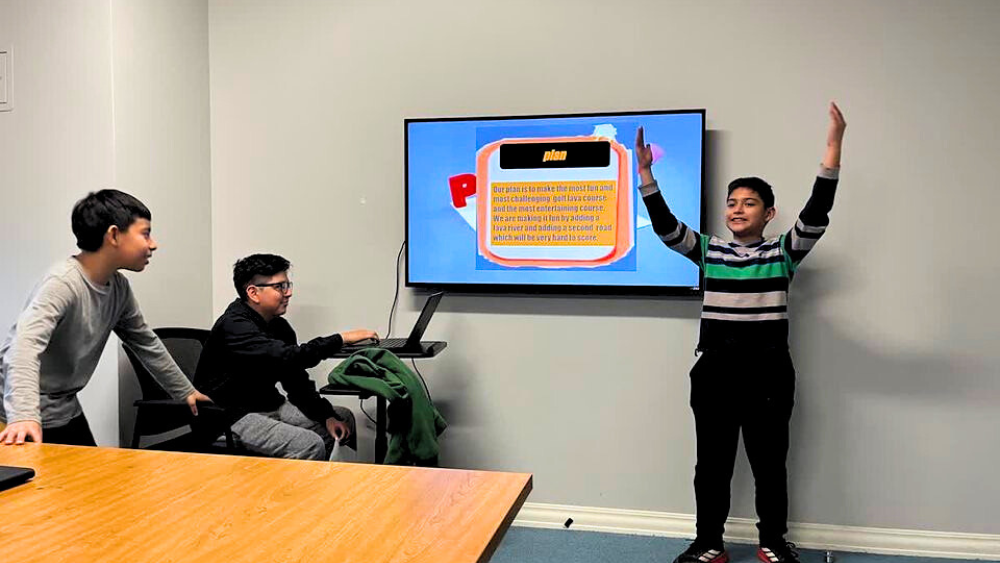
For students who love sports, this project showed them just how much math goes into it! They were first tasked with creating an accurate blueprint of what they wanted their own mini golf course to look like. Working in teams, they decided on a theme, carefully sketched out the dimensions and special elements that would make it fun, researched how much it would cost to build the course, and then pitched their idea to “funders” (Aspire staff). They had to practice their public speaking skills to compete for extra materials that could make their golf course stand out. Then, they built the courses and invited their classmates to play! From Nickelodeon to volcanoes to Clash Royale, their ideas knocked it out of the park. One group said that they chose their theme “because it is fun and awesome.” We can’t argue with that!
Geocaching
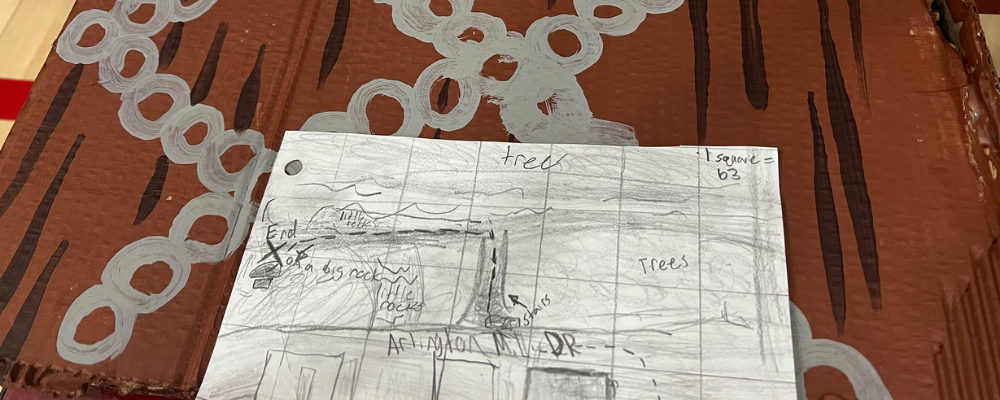
Have you heard of geocaching, where you have to find a box or treasure hidden in a location where you have the coordinates but nothing else? Our students created their own geocaches, practicing their math skills along the way. First, they scouted the area around Aspire and the nearby trail, deciding where to put their cache. Then, they had to create a map so that others would be able to find the location. This involved careful measurements and precise mapping. Once each team decided on that, they then had to work together to determine what sort of treasures their cache would contain and construct their own box!
Yoga Instructors
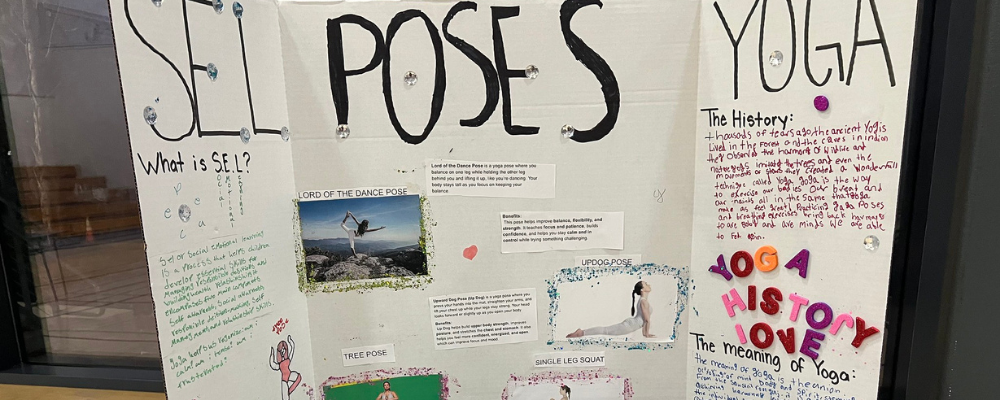
One class of students at Charles R. Drew Elementary School decided to make their own yoga instructional video to help other kids understand what yoga is, what the benefits are, and how they can start doing yoga themselves. After researching the history, they designed and filmed their own video, showcasing poses for other students to easily follow along. Their presentation emphasized that yoga isn’t just about physical health benefits – it’s also about mental and emotional health.
Other projects this fall included writing their own comic books and learning about how to craft a story and creating social-emotional toolboxes for other students to use when they were feeling down.
Presenting their Projects
During the winter holiday party, students showcased their PBL learning, bravely speaking in front of a gym full of their classmates, instructors, and families to explain what they did and why it was important. One of our students shared, “I like to learn by doing things instead of reading about them,” and that’s why these hands-on projects are so valuable to students. From making new connections and discovering new interests to reinforcing their school-day lessons, PBL helps kids stay engaged after the school day and keep learning!